
Introduction
An underfloor heating system is only as good as the controls managing it. While pipework, manifolds, and pumps deliver heat throughout the property, it is the control system that determines when heating is needed, where it is required, and how efficiently the entire system operates.
Whether you’re installing a new underfloor heating system or upgrading an existing one, understanding how underfloor heating controls work can help improve comfort, reduce energy consumption, and maximise system performance.
In this guide, we’ll explain the role of underfloor heating controls, the components involved, and why choosing the right controls can make a significant difference to your heating system.
What Are Underfloor Heating Controls?
Underfloor heating controls are the components responsible for monitoring temperatures and regulating heat output throughout your property.
Rather than continuously running at one temperature, controls allow the system to respond to changing conditions, ensuring each room receives the correct amount of heat when needed.
A complete control system typically includes:
- Thermostats
- Wiring centres
- Actuators
- Temperature sensors
- Smart control systems
Together, these components help create a comfortable and energy-efficient environment.
How Do Underfloor Heating Thermostats Work?
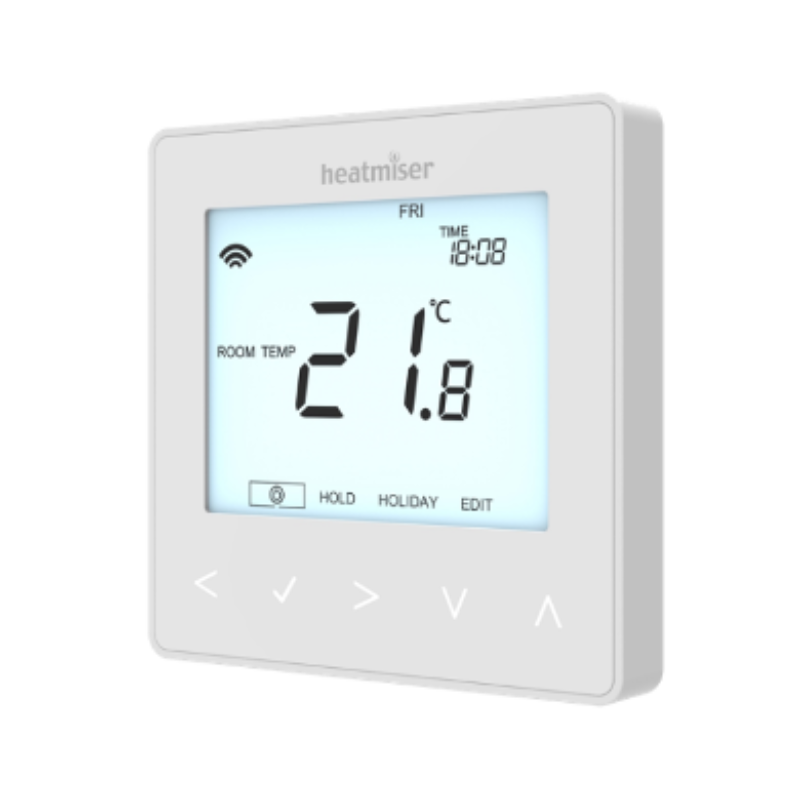
The thermostat is often considered the brain of the heating system.
Installed within a room, it constantly monitors temperature levels and communicates with the rest of the system when heating is required.
Modern underfloor heating thermostats can:
- Set daily schedules
- Create weekly heating programmes
- Monitor floor temperatures
- Control individual rooms
- Reduce energy usage during unoccupied periods
Many models now offer Wi-Fi connectivity, allowing homeowners to adjust temperatures remotely using a smartphone or tablet.
What Is a Wiring Centre?
A wiring centre acts as the communication hub for your underfloor heating system.
It receives signals from room thermostats and distributes instructions to the relevant components.
Without a wiring centre, it would be difficult to coordinate multiple heating zones effectively.
Key benefits include:
- Simplified system wiring
- Improved organisation
- Easier installation
- Better fault diagnosis
- Reliable communication between controls
What Are Actuators and Why Are They Important?
Actuators are small motorised devices fitted to the manifold.
When a thermostat requests heat, the actuator opens the appropriate valve, allowing warm water to flow through the relevant heating circuit.
When the desired temperature is reached, the actuator closes the valve to prevent unnecessary heating.
Benefits include:
- Improved room-by-room control
- Reduced energy wastage
- Better system efficiency
- Consistent temperatures
What Is Zone Control in Underfloor Heating?
Zone control allows different areas of a property to operate independently.
For example:
- Living room: 21°C
- Bedroom: 18°C
- Bathroom: 23°C
Instead of heating the entire building to one temperature, each room can be adjusted according to occupancy and comfort requirements.
Benefits include:
- Lower running costs
- Greater comfort
- Improved energy efficiency
- Reduced wear on the heating system
Can Smart Controls Improve Efficiency?
Smart underfloor heating controls have become increasingly popular in both domestic and commercial properties.
These systems allow users to:
- Control heating remotely
- Create automated schedules
- Monitor energy usage
- Integrate with smart home systems
- Receive maintenance alerts
Smart controls help ensure heating is only used when necessary, helping to reduce energy consumption and heating costs.
Common Problems Caused by Poor Controls
Even a professionally installed heating system can perform poorly if the controls are incorrectly specified.
Common issues include:
Uneven Room Temperatures
Incorrect thermostat placement or poor zoning can create hot and cold spots throughout a property.
Higher Energy Bills
Inefficient scheduling can cause heating to run unnecessarily.
Delayed Heating Response
Outdated controls may struggle to react quickly to changing room temperatures.
Difficult System Management
Older systems often require manual adjustment and lack modern automation features.
Choosing the Right Underfloor Heating Controls
When selecting controls, consider:
- Property size
- Number of heating zones
- Smart home compatibility
- Future expansion requirements
- Ease of use
- Installation requirements
The right control system should provide flexibility, reliability, and straightforward operation for both homeowners and installers.
Why Quality Controls Matter
Quality underfloor heating controls do more than simply switch heating on and off.
They help:
- Improve comfort levels
- Reduce energy consumption
- Extend system lifespan
- Increase efficiency
- Simplify heating management
Investing in the right controls ensures you get the maximum benefit from your underfloor heating system for years to come.
Conclusion
Underfloor heating controls are one of the most important parts of any heating system. From thermostats and wiring centres to actuators and smart controls, every component plays a role in delivering efficient, comfortable, and reliable heating.
Understanding how these controls work can help homeowners and installers choose the right products, improve system performance, and reduce long-term running costs.